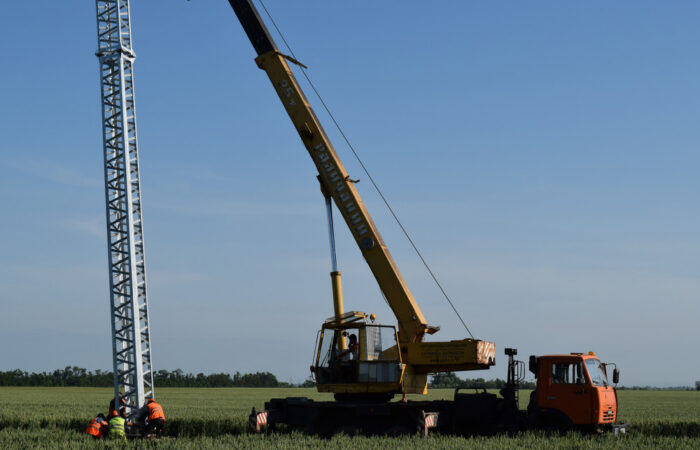

Safety is a nonnegotiable priority on every construction site where lifting operations take place. A professional crane company follows structured protocols to protect workers, equipment, and surrounding property. These standards reduce risk while maintaining productivity and project timelines. From operator qualifications to weather monitoring, each measure supports controlled and compliant lifting operations.
Preparing Operators for Safe Performance
Proper training and certification form the foundation of crane safety. Operators must demonstrate technical knowledge of load charts, equipment limits, and inspection procedures before working on active sites. Continuous education ensures they stay current with evolving regulations and best practices. A well-trained team reduces the likelihood of human error and improves overall job site efficiency.
In addition to certification, routine equipment inspections are required before and during operations. Operators check cables, hooks, hydraulics, and safety systems to confirm everything is functioning correctly. Any sign of wear or malfunction must be addressed immediately. This proactive approach helps prevent mechanical failures that could disrupt work or create hazards.
Monitoring Conditions for Environmental Compliance
Weather plays a critical role in determining whether lifting operations can proceed safely. Wind, rain, and visibility conditions must be evaluated before and during each shift. According to standards established by Occupational Safety and Health Administration, operations involving lifting personnel must be halted or reassessed when wind speeds exceed 20 mph. This guideline helps protect workers operating at height from unstable conditions.
Ongoing weather monitoring is essential for maintaining compliance and minimizing risk. Supervisors track forecasts and use on-site instruments to measure real-time conditions. If wind speeds approach safety thresholds, operations are paused until conditions improve. Responsible decision-making in response to environmental factors is a defining characteristic of a reputable crane company.
Communicating Clearly During Operations
Effective communication is another core safety protocol on job sites. When visibility is limited, signal persons and spotters guide operators using standardized hand signals or radio systems. These team members act as an extension of the operator’s awareness, especially in complex or crowded environments. Clear communication reduces misunderstandings and helps coordinate precise movements.
Pre-job briefings also support safe execution. During these meetings, crews review lift plans, identify potential hazards, and confirm individual responsibilities. Establishing alignment before work begins ensures everyone understands the sequence of tasks. This level of coordination strengthens accountability and improves operational control.
Safety protocols are the backbone of reliable crane operations. Proper training, environmental awareness, and structured communication work together to protect workers and maintain compliance. When these standards are consistently applied, projects move forward efficiently without compromising safety. For dependable service backed by strict safety practices, contact Skyline Crane Rental today to discuss your next project and schedule professional support.